Joe Tries
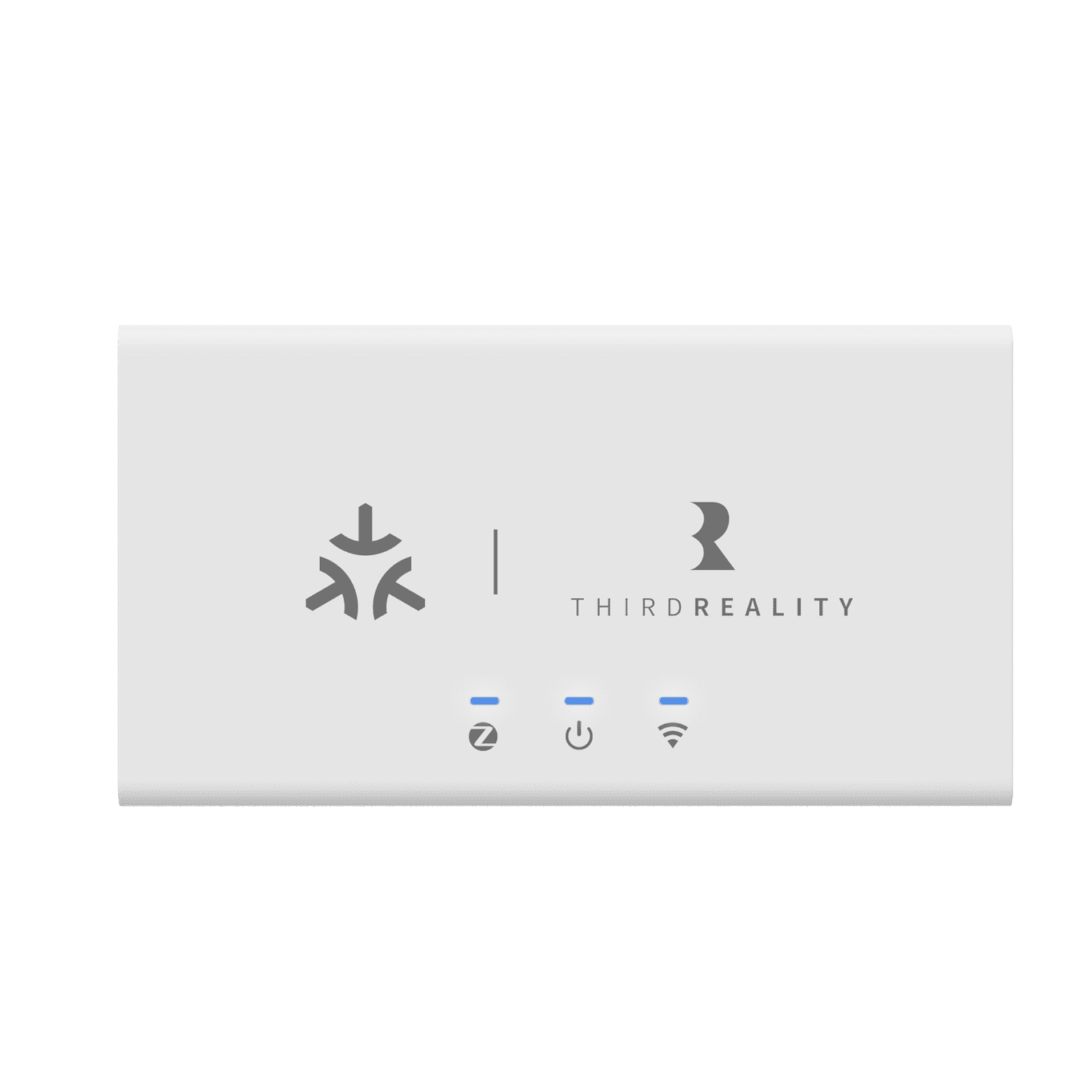
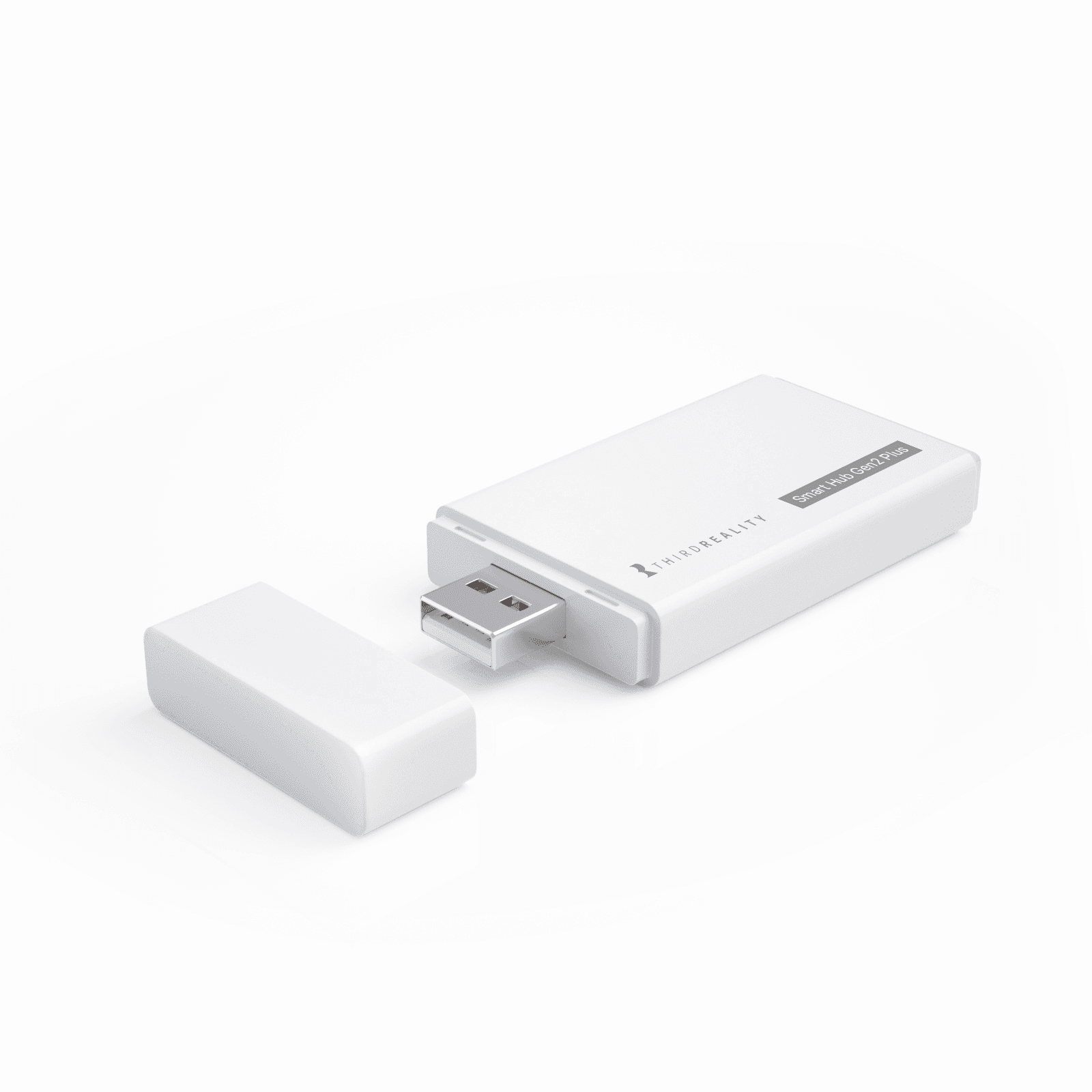
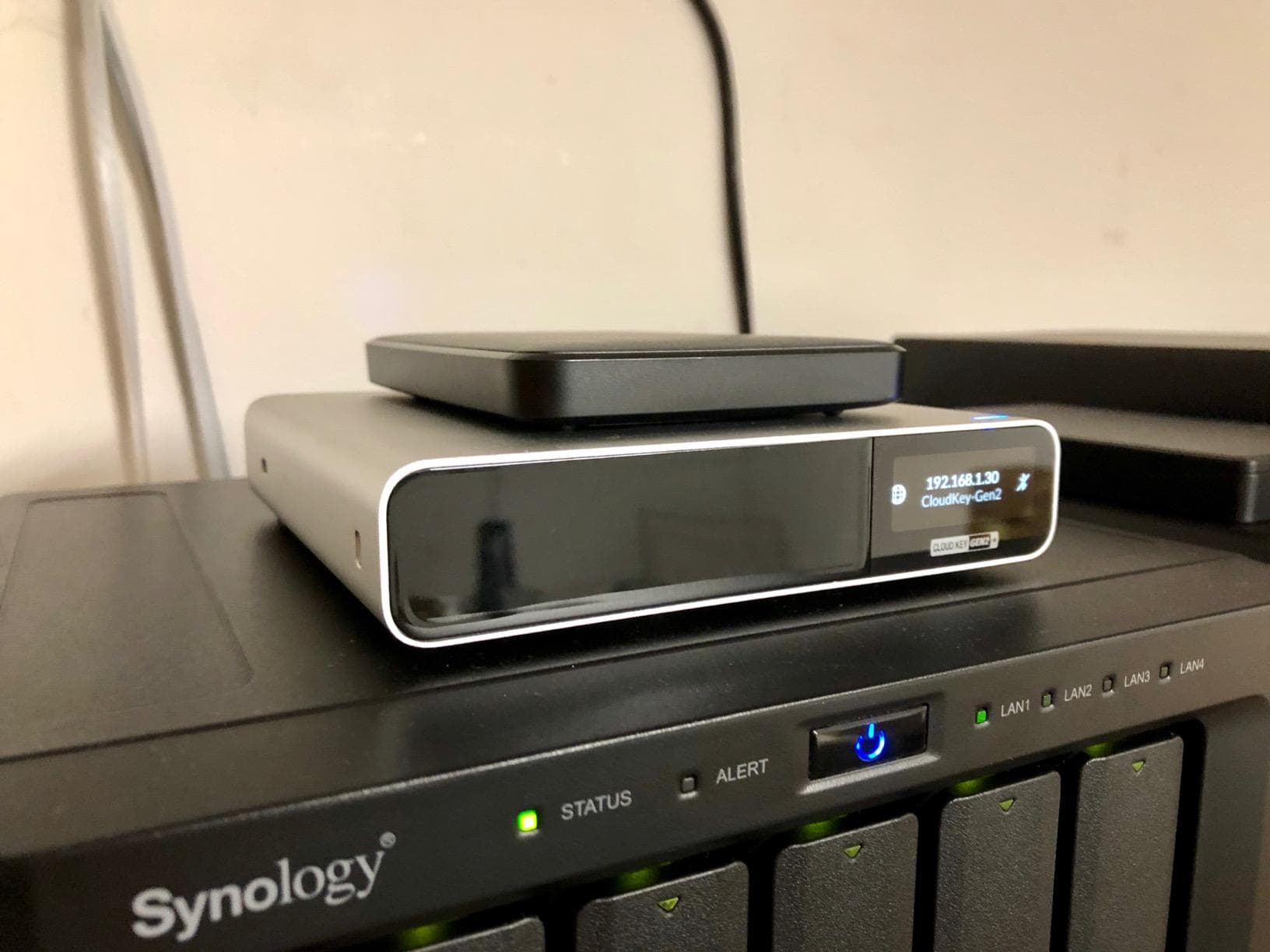
Smart home hubs
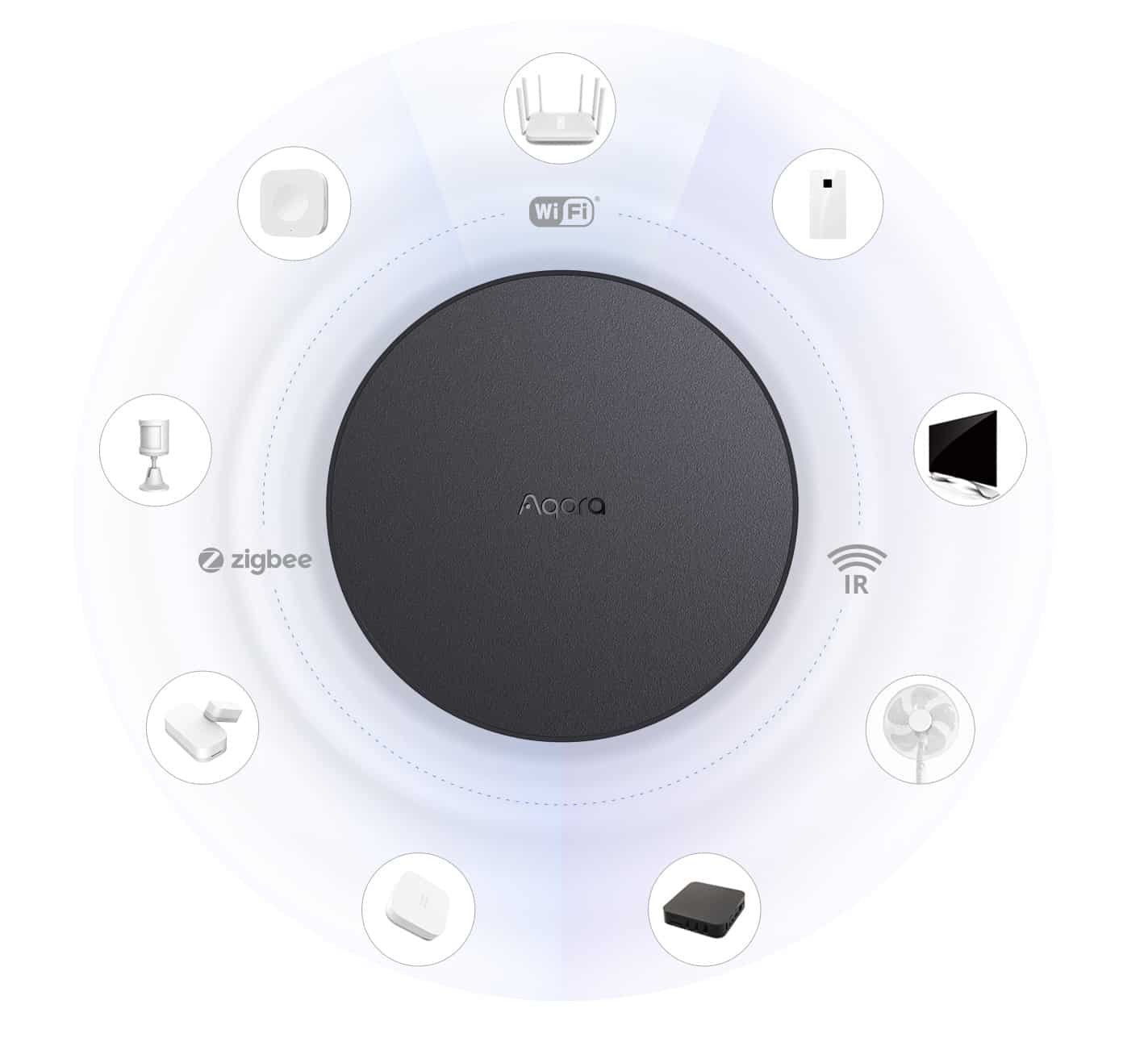
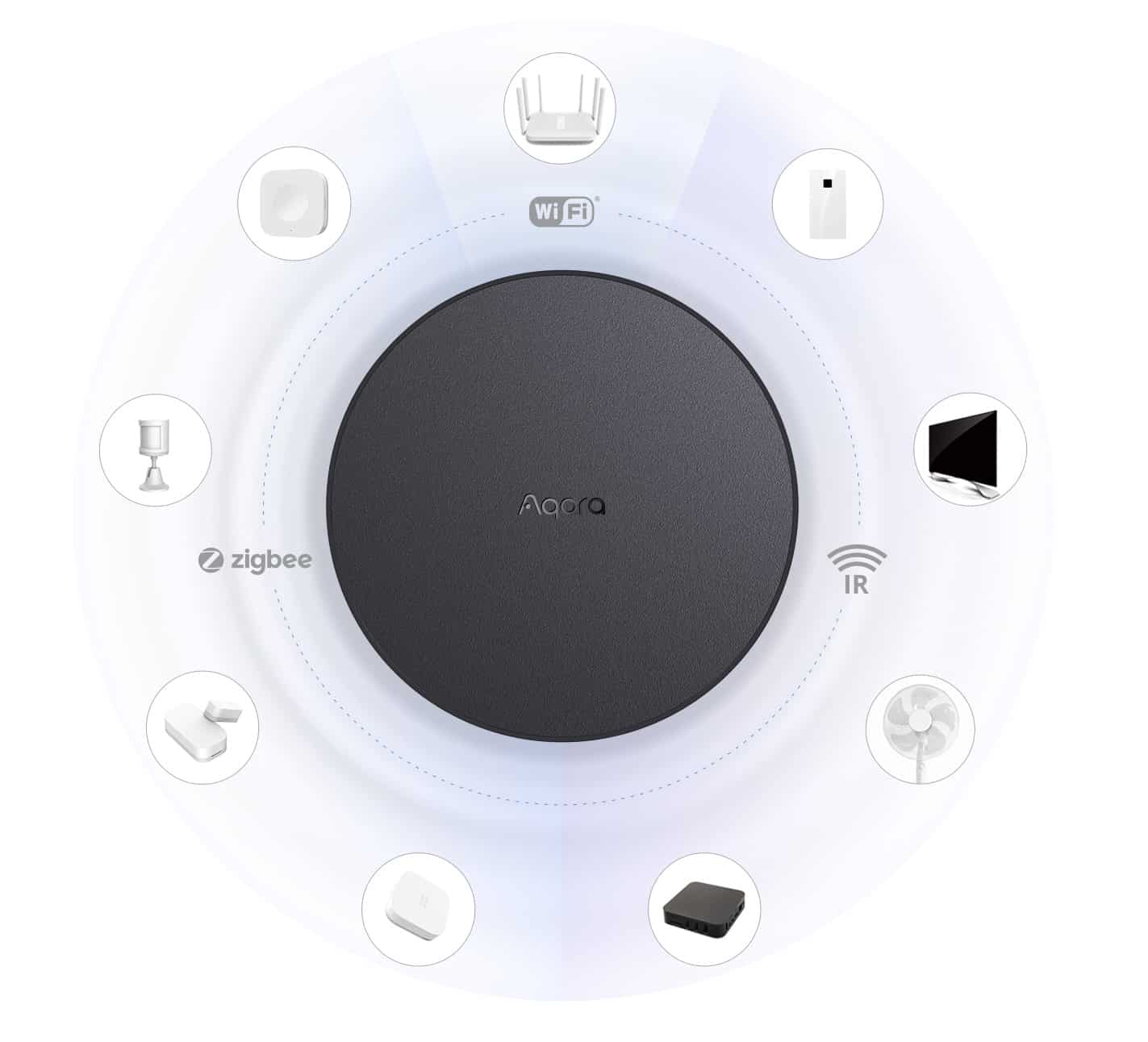
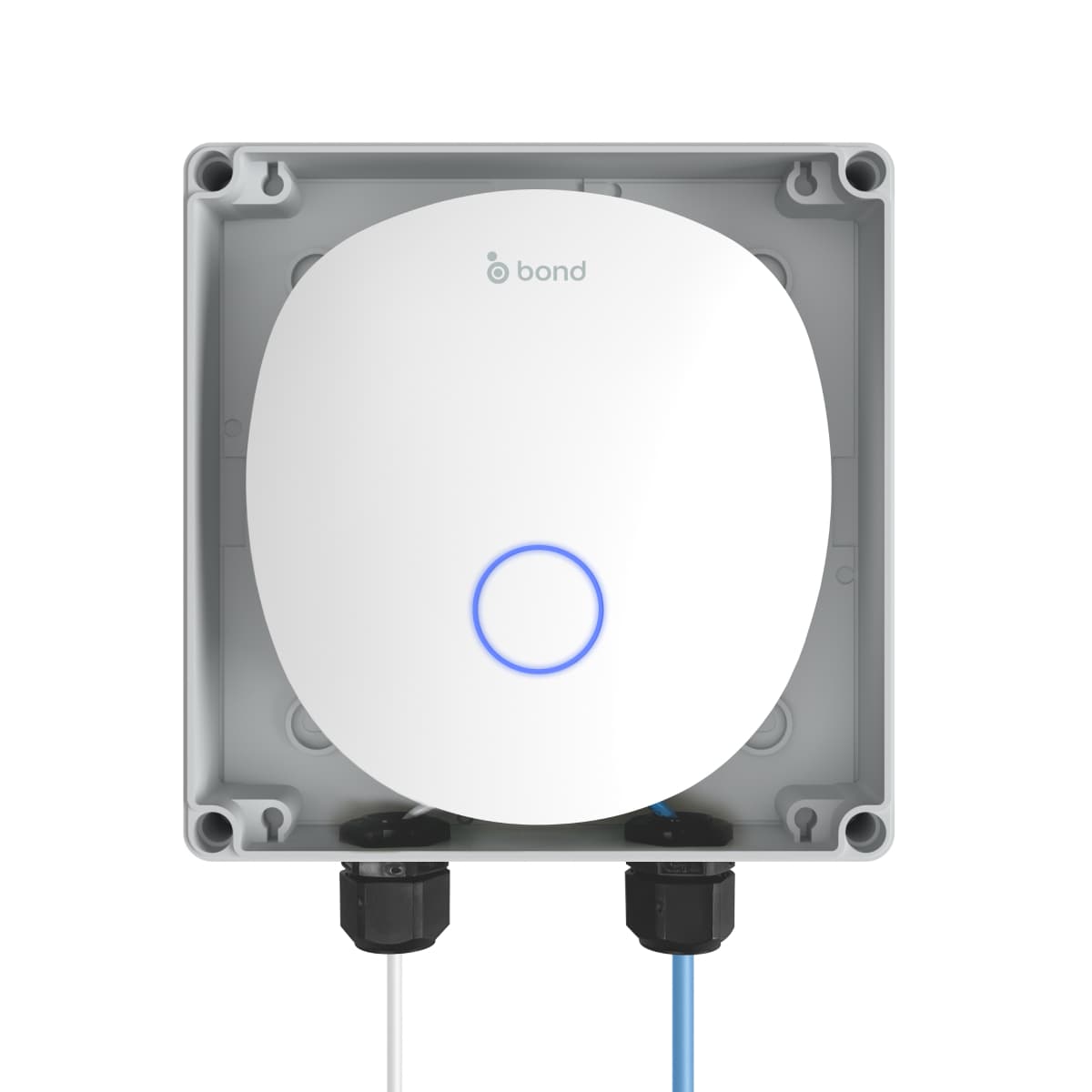
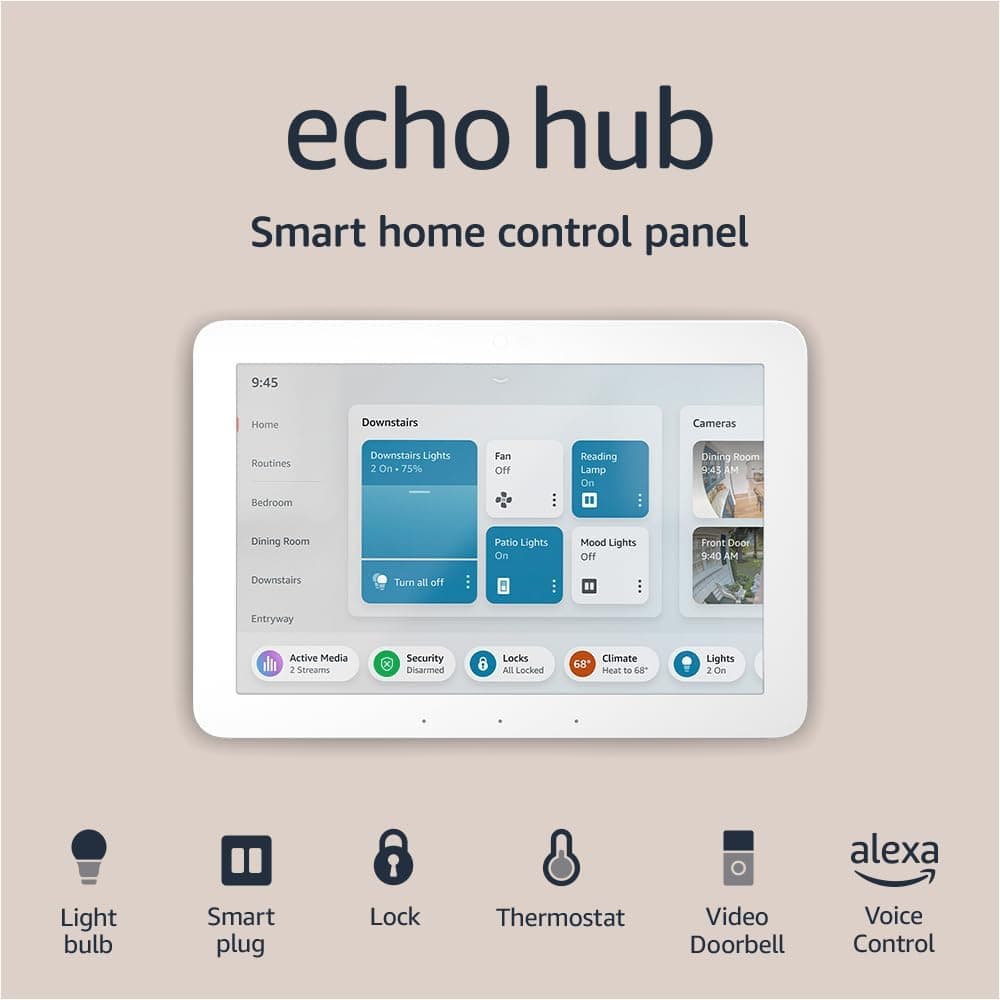
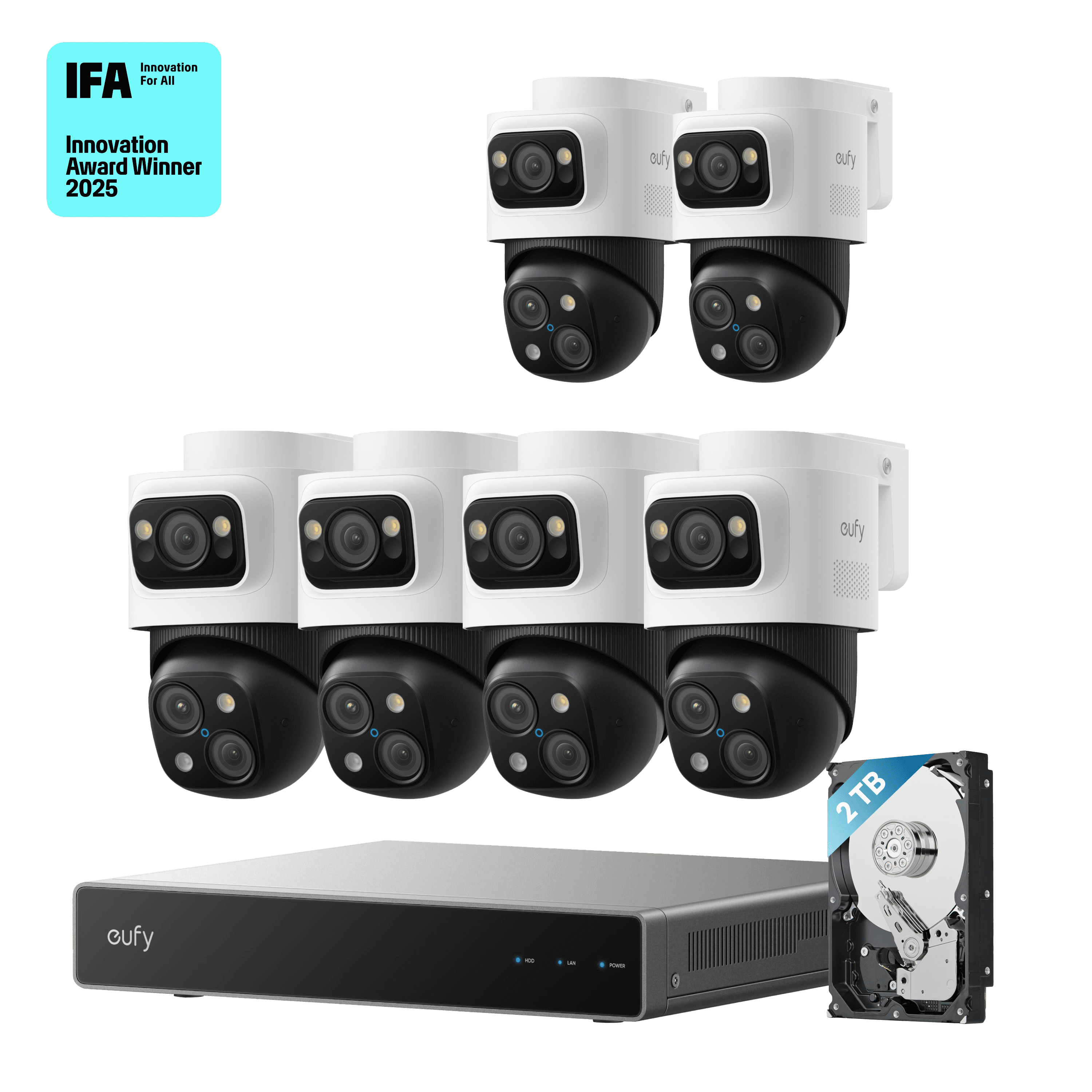
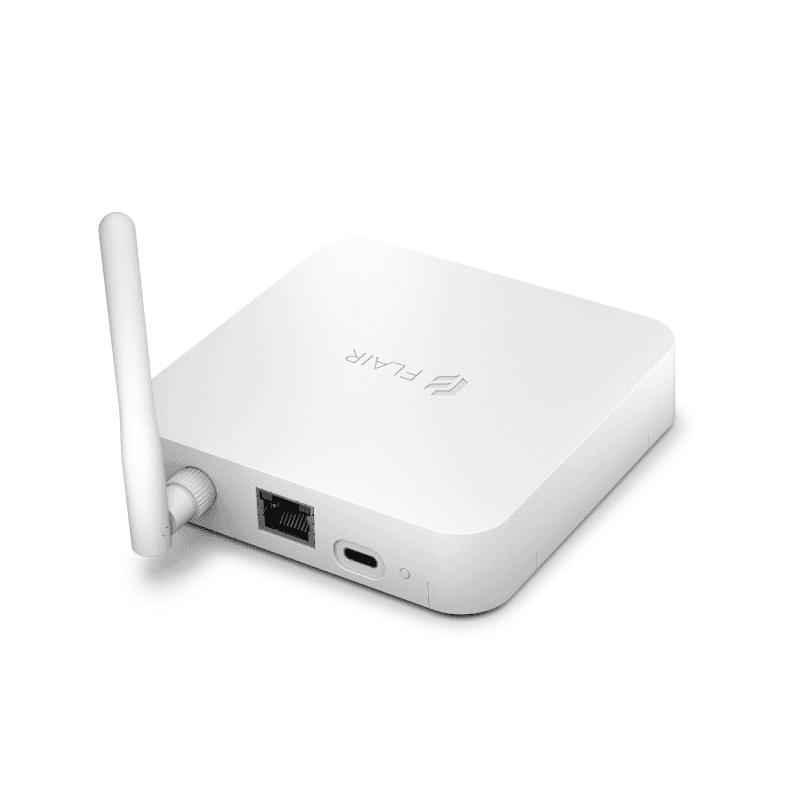
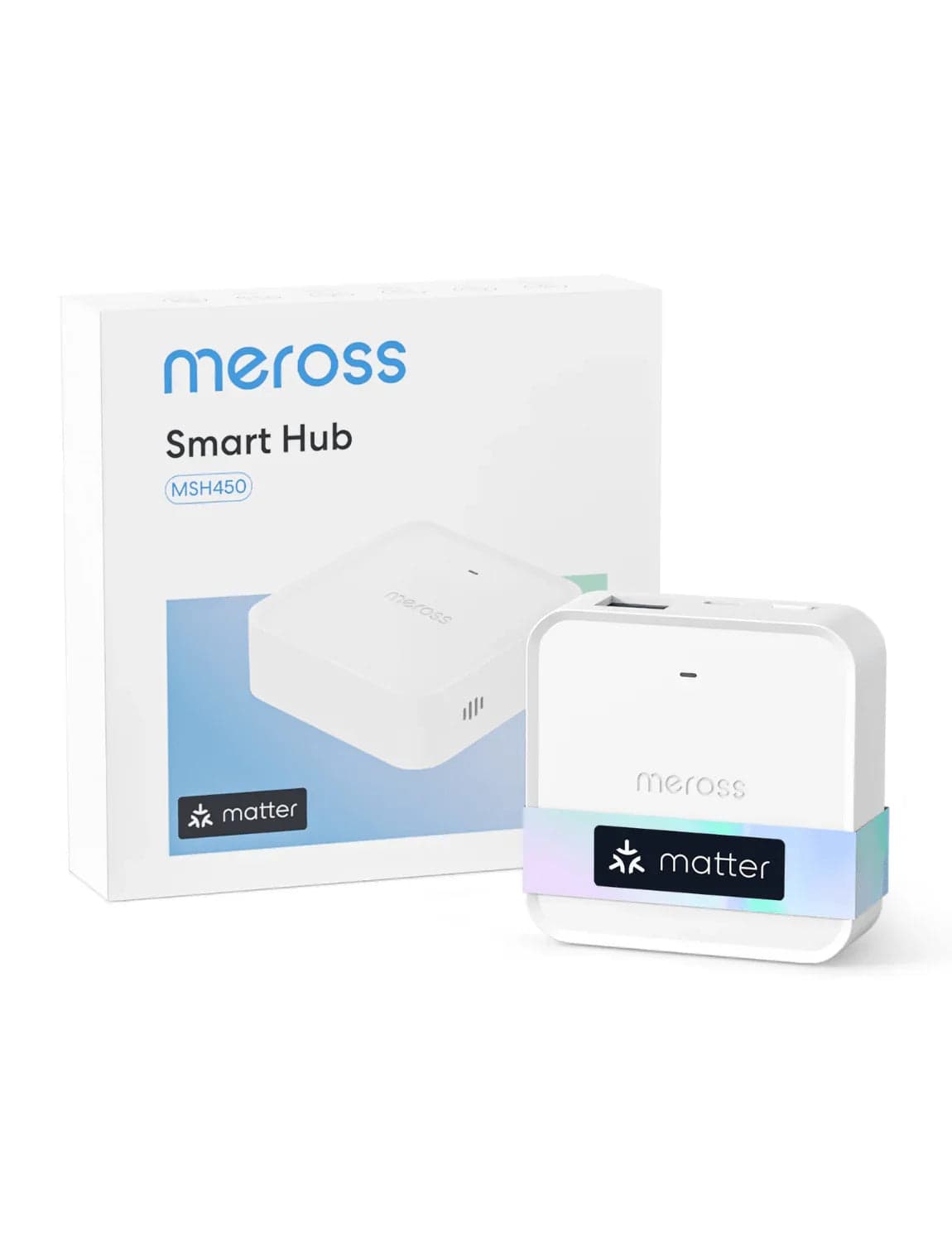
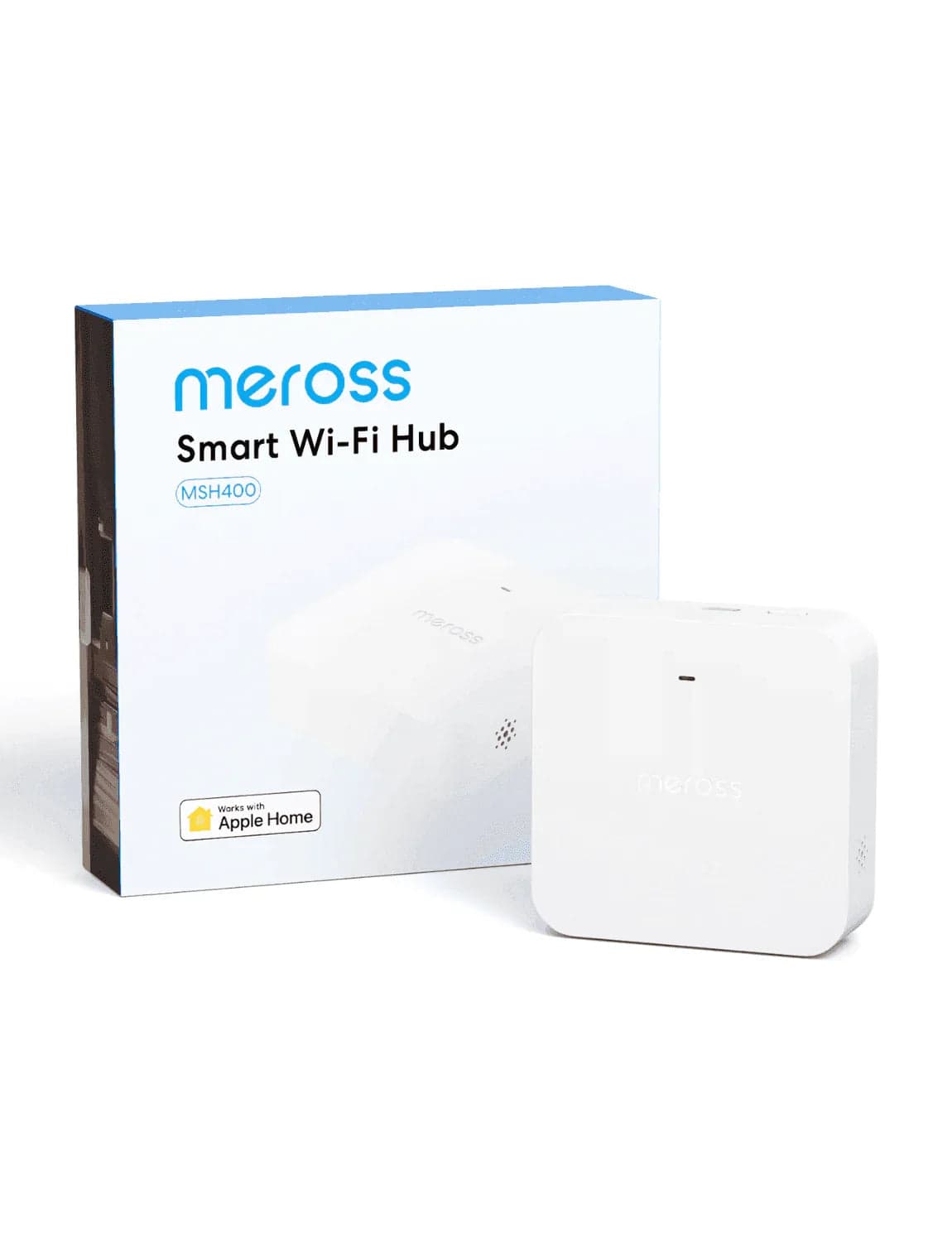
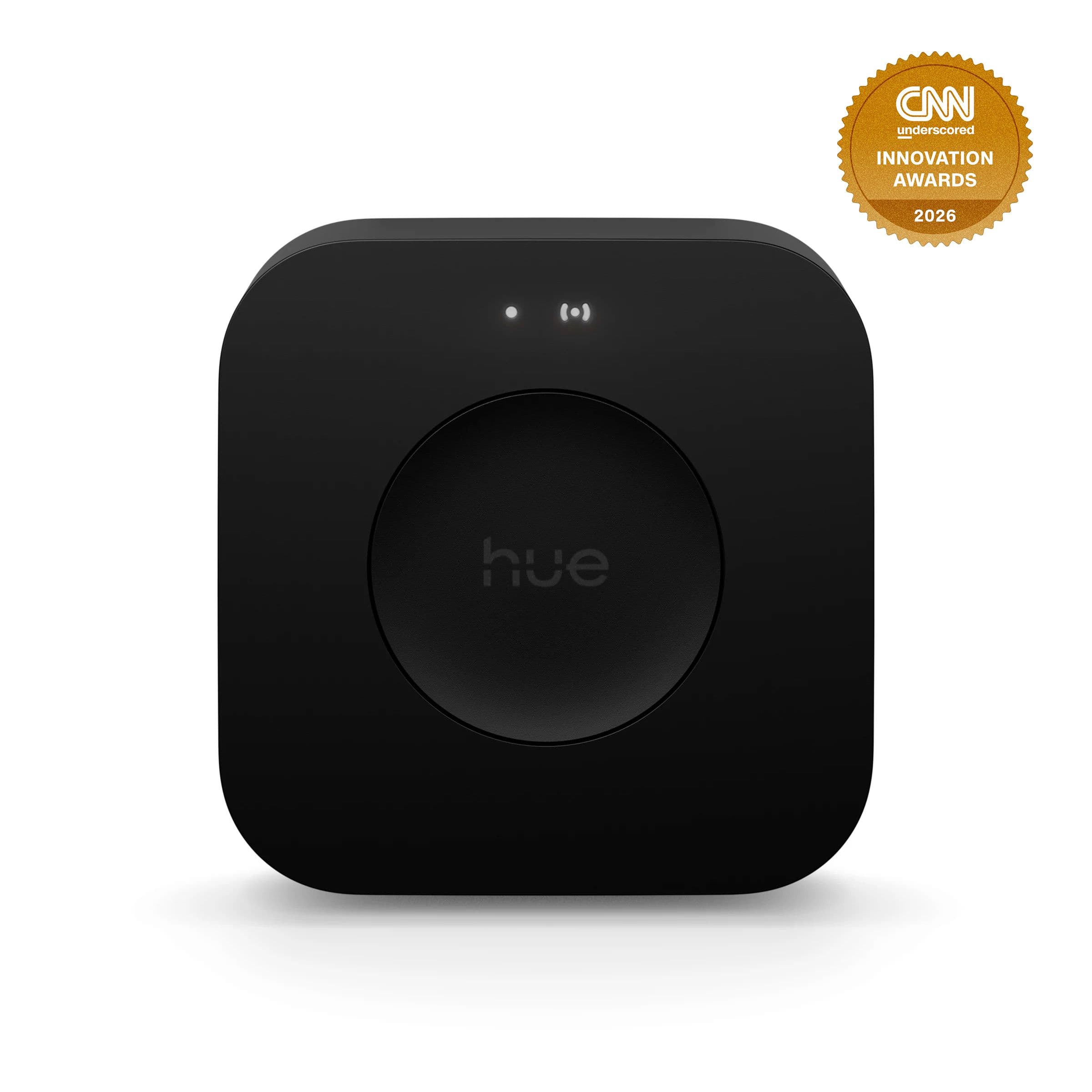
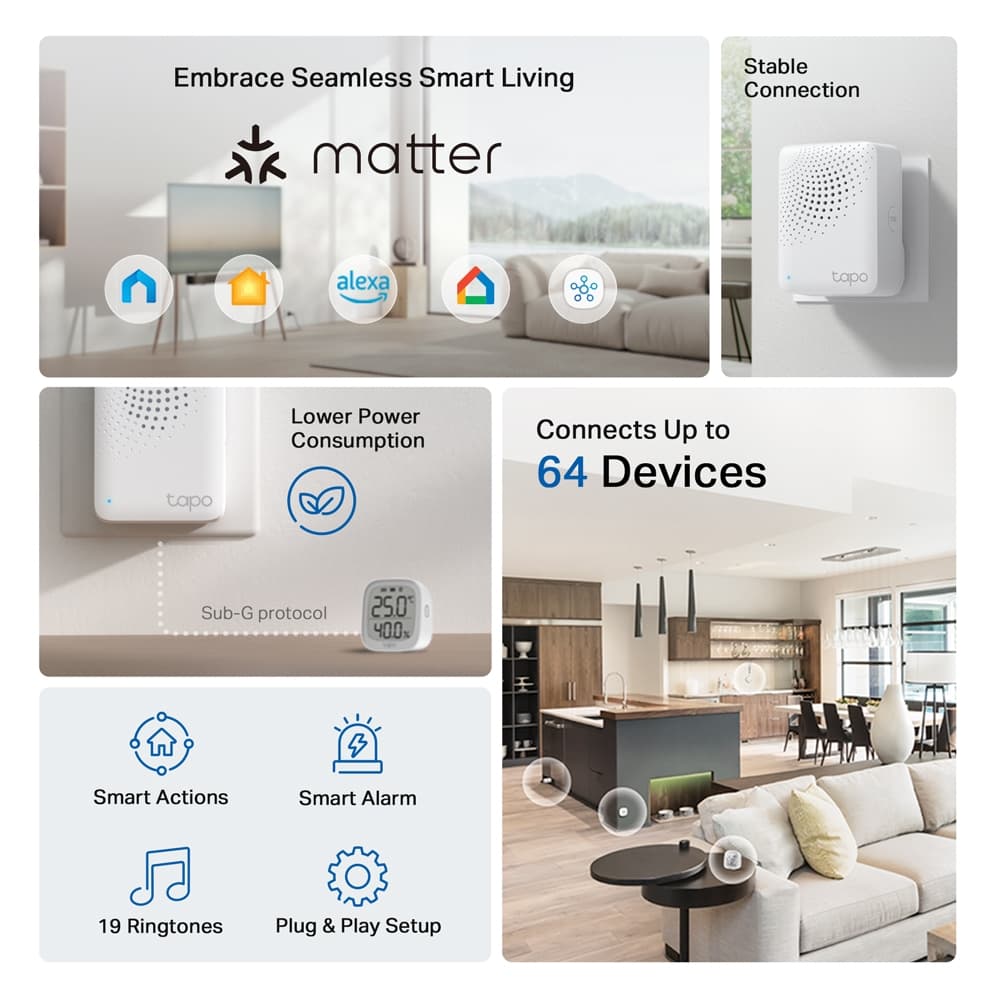
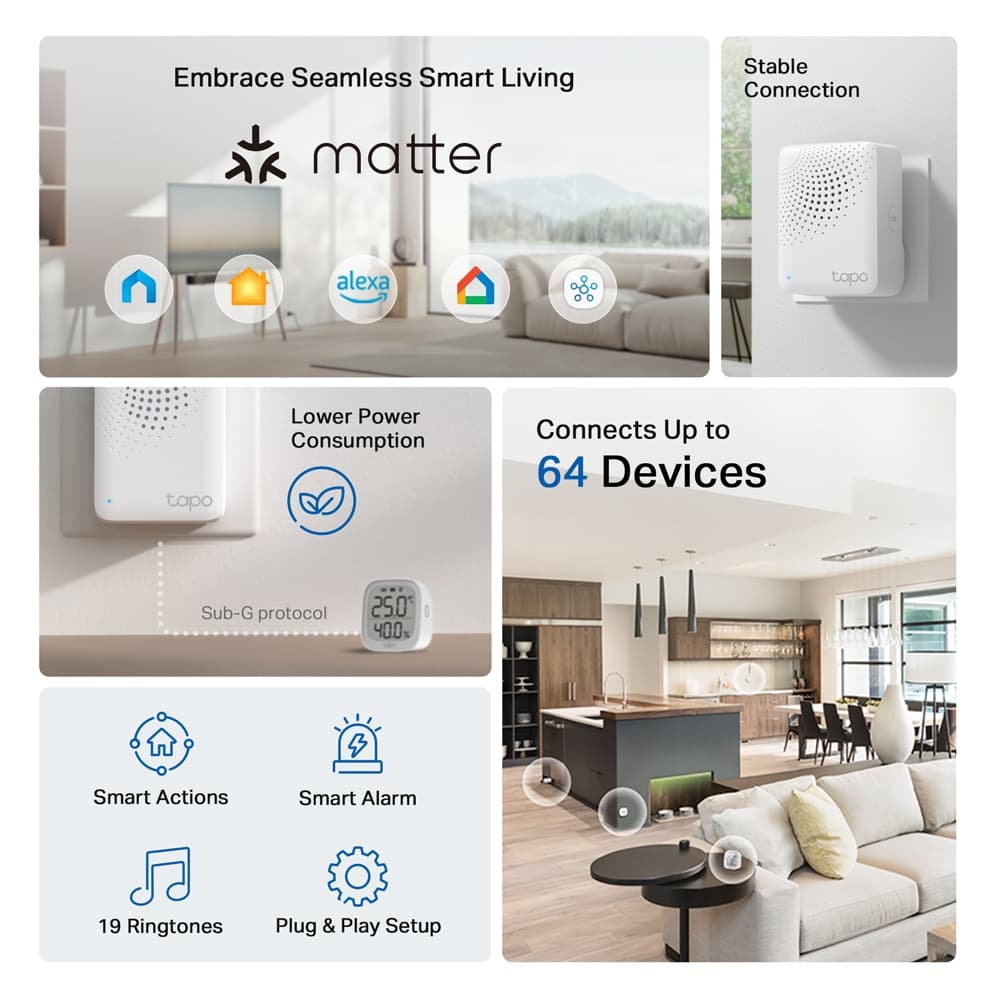
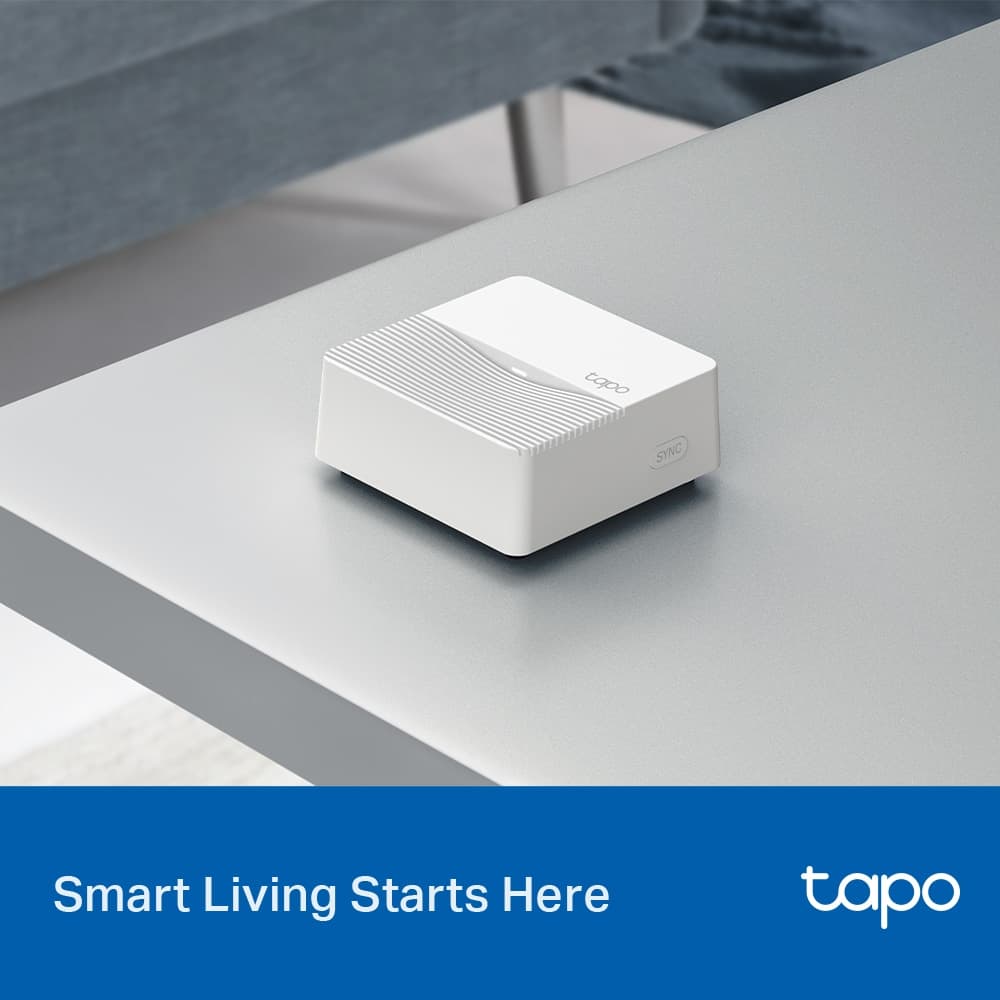
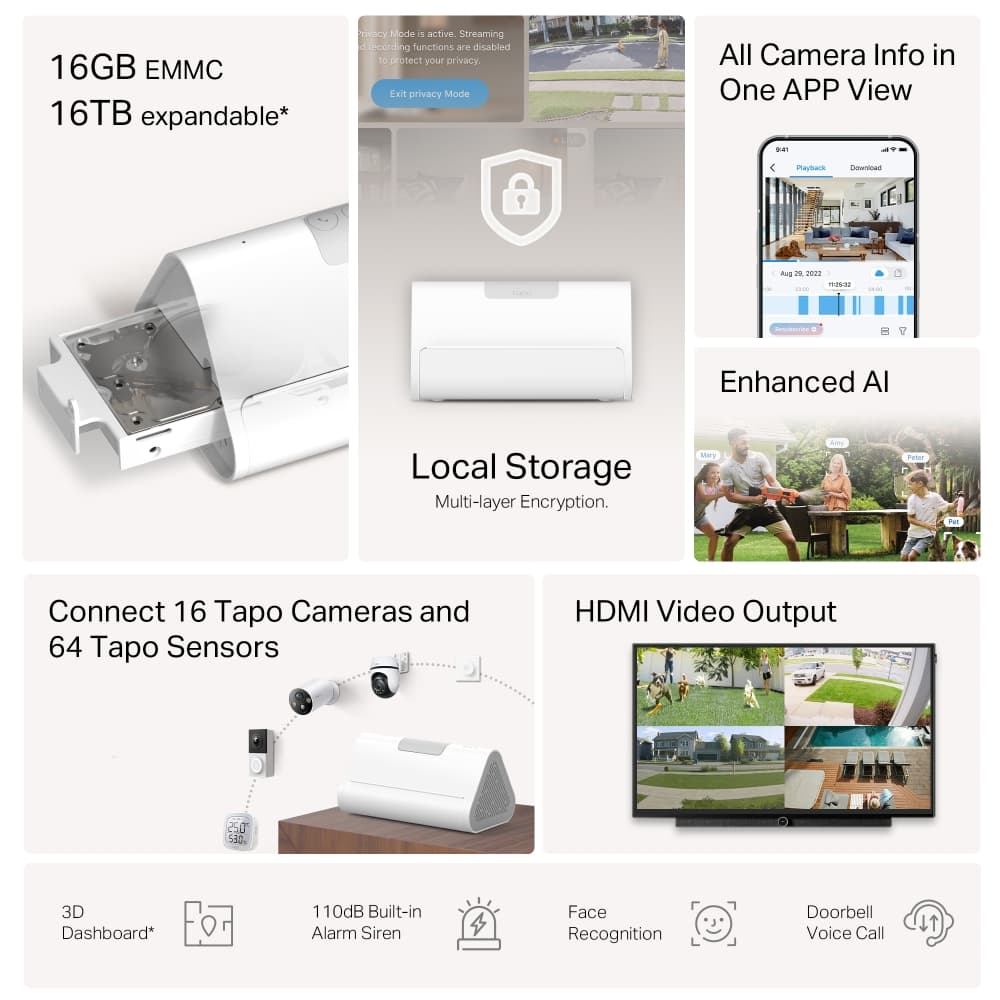
A hub is a small box that plugs into your router and talks to the devices your phone and your Wi-Fi cannot reach on their own, which is most sensors, locks, and battery switches. Buying one opens up Zigbee and Z-Wave gear, usually cheaper and more reliable than the Wi-Fi equivalent. The spec that matters is which radios are inside, because that decides everything you can add later.
- In the catalog
- 46
- Work without a hub
- All of them
- Most common radios
- Wi-Fi, Zigbee, Wired Ethernet, Matter
- Price range
- $12 to $450
What decides compatibility
- Check the radio list literally: Zigbee, Z-Wave, Thread, or some combination. A Matter controller with no Thread radio cannot add a Thread device on its own.
- Z-Wave is region-locked by frequency. A US hub will not pair EU devices.
- Local control decides what still works with the internet down. Some hubs run automations locally, others need the cloud for everything.
- Migrating between hubs means re-pairing every device by hand. Choosing a hub is a longer commitment than it looks.
How these connect to your system
A works-with badge does not say how the device gets there, and the path changes what you get. Direct means the maker built the integration and the device's own features tend to come with it. Via Matter means the standard controls work and anything unusual about the device may not carry over. Via a hub means you need a second box, usually the maker's own, before it works at all.
- Alexa40 work with itDirect 29Via Matter 10Via a hub 1
- Google Home34 work with itDirect 21Via Matter 13
- Apple Home20 work with itDirect 7Via Matter 13
- Home Assistant18 work with itDirect 2Via Matter 7Via an add-on 9
- SmartThings15 work with itDirect 4Via Matter 11
- Hubitat1 work with itDirect 1
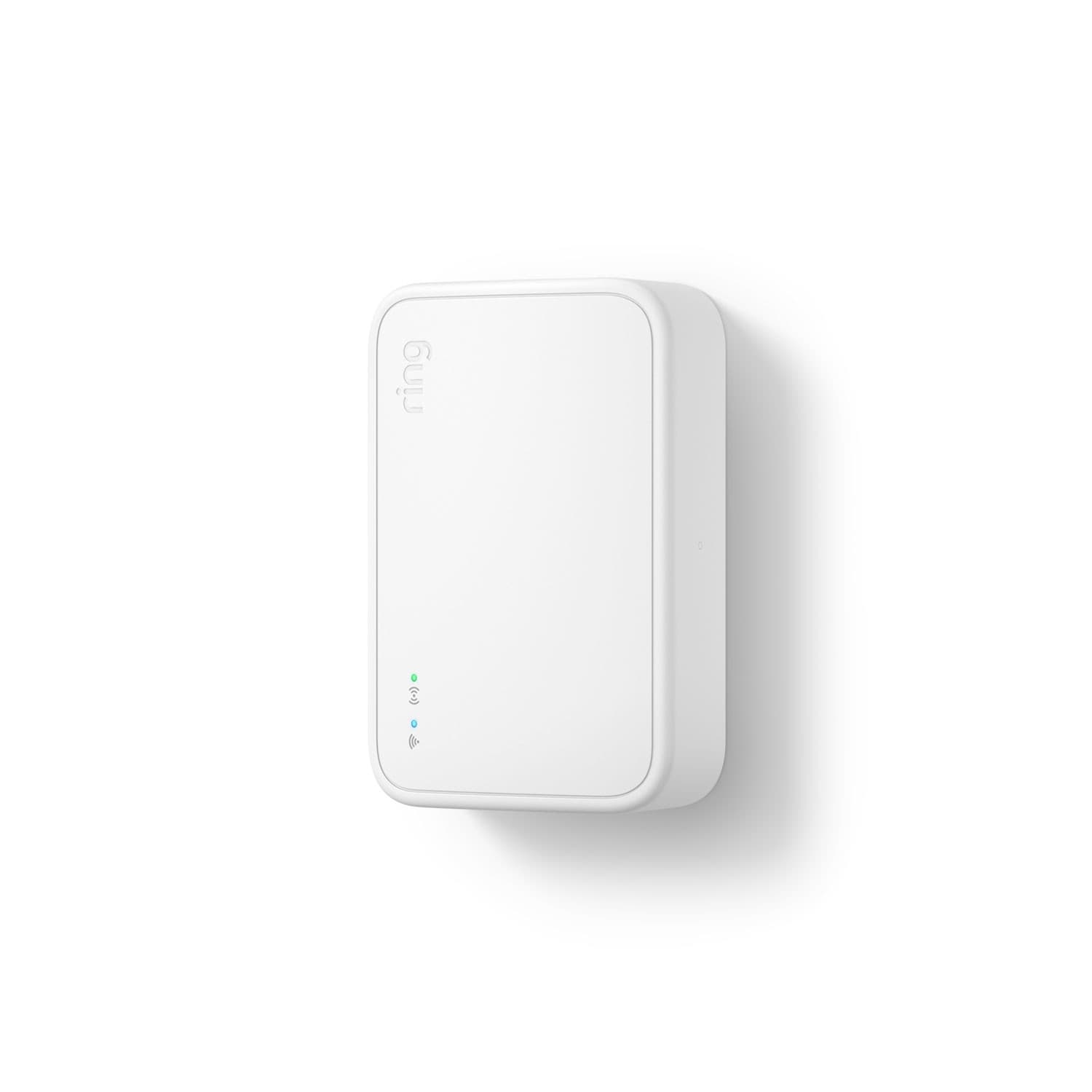
- Ring1 work with itDirect 1
Smart home hubs we list
Filter and compare these in the catalog